.png)
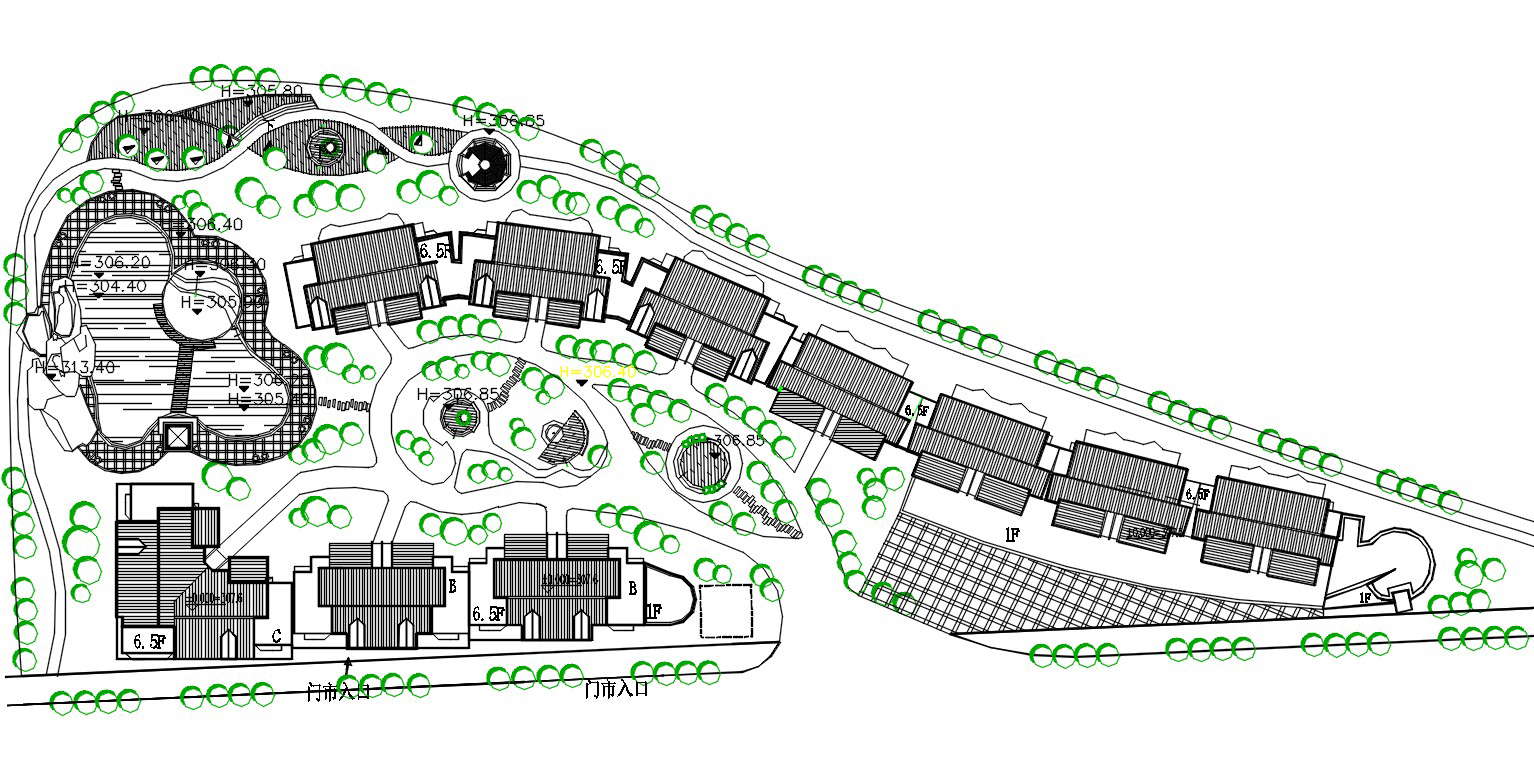
Imagine this: You've invested in a property in a promising cluster development. You envisioned rising property values, a vibrant community, and a secure investment for your future. But somewhere along the way, the initial spark seems to have faded. The promised amenities are delayed, the overall aesthetic feels disjointed, and the value just isn't climbing the way you hoped. What went wrong?
Often, the source of frustration in cluster developments stems from a lack of comprehensive planning. Without a clear vision and a well-executed strategy, a cluster can quickly lose its appeal. This can result in stalled growth, dissatisfied residents, and a significant gap between potential and reality. The dream of a flourishing community transforms into a collection of houses, missing the essential elements that make it a truly desirable place to live and invest. This is where a well-defined masterplan becomes crucial.
The target of a masterplan strategy for a cluster is to create a cohesive and sustainable community that maximizes property values, enhances the quality of life for residents, and fosters a sense of belonging. It's about turning a collection of houses into a thriving neighborhood that offers both tangible and intangible benefits. Ultimately, the aim is to unlock the full potential of the cluster development and create a legacy of value and community.
This article dives into the world of masterplan strategies for cluster developments, focusing on how a well-designed and implemented plan can be the key to unlocking significant property value increases. We'll explore key elements, hidden secrets, and practical tips to help you understand how a comprehensive masterplan can transform a cluster from a collection of houses into a thriving, sought-after community. We will also touch on keywords such as sustainable development, community planning, property value appreciation, and investment strategy.
Membangun Fondasi yang Kuat: Perencanaan Awal
My family and I experienced the power of thoughtful planning firsthand when we bought a property in a seemingly ordinary cluster development on the outskirts of Jakarta. Initially, it was just a house in a row of similar houses. However, the developer had a vision. They invested in landscaping, created common green spaces, and organized community events. Over time, the cluster became a neighborhood, a place where kids played together, neighbors helped each other, and property values steadily increased. This personal experience solidified my belief in the importance of a solid foundation through initial planning.
Building a strong foundation through initial planning is the cornerstone of any successful cluster development. It's about defining the vision, setting clear goals, and creating a roadmap to achieve them. This initial phase involves careful consideration of various factors, including market demand, demographic trends, site analysis, and environmental impact. A comprehensive initial plan will consider traffic patterns, infrastructure needs, and community amenities. The success of this stage relies on assembling a team of experts, including urban planners, architects, landscape architects, and marketing specialists, who can collaborate to create a cohesive and sustainable design. A well-defined plan also considers the long-term maintenance and management of the cluster, ensuring its continued appeal and value over time. It lays the groundwork for a thriving community that attracts residents and investors alike.
Apa Itu Strategi Masterplan Cluster?
A masterplan strategy for a cluster development is essentially a comprehensive blueprint that guides the overall design, development, and management of the community. It goes beyond simply building houses; it considers the social, economic, and environmental aspects of creating a sustainable and desirable living environment. The strategy outlines the layout of residential areas, commercial spaces, recreational facilities, and infrastructure. It addresses issues such as traffic flow, parking, landscaping, and community amenities. A well-crafted masterplan also considers the integration of green spaces, sustainable building practices, and energy-efficient technologies. The masterplan serves as a roadmap for developers, investors, and residents, ensuring that the cluster development aligns with a shared vision and promotes long-term value creation. Ultimately, it aims to create a cohesive and vibrant community that attracts residents, boosts property values, and enhances the overall quality of life. The key elements include a clear vision, well-defined goals, detailed site plans, and a commitment to sustainable development.
Sejarah dan Mitos Seputar Masterplan Cluster
The concept of planned communities, the precursors to modern cluster developments, dates back centuries. Early examples include utopian settlements designed to promote specific social or religious ideals. While not always successful, these experiments laid the groundwork for modern masterplanning techniques. Over time, the focus shifted from idealistic visions to more practical considerations, such as maximizing land use, creating efficient infrastructure, and enhancing property values. One common myth surrounding masterplanned communities is that they are sterile and lack character. However, a well-designed masterplan can actually foster a strong sense of community by creating shared spaces, organizing events, and promoting social interaction. Another myth is that masterplans are inflexible and cannot adapt to changing circumstances. In reality, a good masterplan should be flexible enough to accommodate future needs and evolving market demands. The history of masterplanned communities is filled with both successes and failures, but the underlying principles of thoughtful planning and community building remain relevant today. By learning from past mistakes and embracing innovative approaches, we can create cluster developments that are truly sustainable, desirable, and valuable.
Rahasia Tersembunyi di Balik Masterplan Cluster yang Sukses
One of the most overlooked secrets of successful cluster masterplans is the focus on creating a strong sense of place. This involves more than just building houses; it requires creating a unique identity that resonates with residents and sets the cluster apart from other developments. This can be achieved through thoughtful architectural design, creative landscaping, and the integration of local art and culture. Another hidden secret is the importance of community engagement. Involving residents in the planning process ensures that their needs and preferences are taken into account, fostering a sense of ownership and pride. Effective communication is also crucial. Keeping residents informed about the progress of the development and soliciting their feedback can build trust and strengthen the community bond. Furthermore, successful masterplans prioritize sustainability. Incorporating green spaces, energy-efficient technologies, and water conservation measures not only reduces the environmental impact but also enhances the overall appeal of the cluster. By focusing on these often-overlooked elements, developers can create masterplans that are not only visually appealing but also socially and environmentally responsible, leading to increased property values and a thriving community.
Rekomendasi Strategi Masterplan Cluster
When recommending a masterplan strategy for a cluster, I always emphasize the importance of tailoring the plan to the specific characteristics of the site and the target market. There's no one-size-fits-all solution. A plan that works well in one location may not be suitable for another. Therefore, a thorough site analysis and market research are essential. This involves assessing the topography, soil conditions, climate, and surrounding infrastructure. It also requires understanding the needs and preferences of the potential residents, including their lifestyle, income level, and family size. Based on this analysis, the masterplan should be designed to maximize the site's potential while addressing the specific needs of the target market. This may involve incorporating specific amenities, architectural styles, or community programs. Another key recommendation is to prioritize sustainability. Incorporating green spaces, energy-efficient technologies, and water conservation measures not only reduces the environmental impact but also enhances the overall appeal of the cluster. By tailoring the masterplan to the specific site and target market and prioritizing sustainability, developers can create clusters that are not only visually appealing but also environmentally responsible and economically viable.
Analisis SWOT dalam Perencanaan Masterplan
A SWOT analysis (Strengths, Weaknesses, Opportunities, and Threats) is a valuable tool for evaluating a cluster development project and informing the masterplan strategy. Understanding the strengths of the project, such as its location or unique features, allows developers to leverage these assets to attract residents and investors. Identifying the weaknesses, such as limited access or environmental constraints, enables them to develop strategies to mitigate these challenges. Recognizing the opportunities, such as emerging market trends or government incentives, allows them to capitalize on these potential advantages. Assessing the threats, such as competition from other developments or economic downturns, allows them to develop contingency plans to protect the project from adverse effects. By conducting a thorough SWOT analysis, developers can gain a comprehensive understanding of the project's potential and challenges, enabling them to make informed decisions and develop a masterplan strategy that maximizes its success. This process should involve input from a variety of stakeholders, including urban planners, architects, marketing specialists, and community representatives. The results of the SWOT analysis should be used to guide the development of specific goals, strategies, and action plans. Ultimately, a well-conducted SWOT analysis can help ensure that the masterplan is aligned with the project's potential and the needs of the community.
Tips Efektif Meningkatkan Nilai Properti melalui Masterplan
One of the most effective tips for increasing property values through a masterplan is to focus on creating a sense of community. This involves designing spaces that encourage social interaction, such as parks, playgrounds, and community centers. Organizing regular events and activities can also help to foster a sense of belonging and strengthen community bonds. Another important tip is to prioritize aesthetics. Creating a visually appealing environment can significantly enhance the perceived value of the properties. This can be achieved through thoughtful landscaping, well-designed architecture, and the use of high-quality materials. In addition, it's important to invest in infrastructure. Providing reliable utilities, well-maintained roads, and ample parking can significantly improve the quality of life for residents and increase property values. Finally, consider implementing sustainable practices. Incorporating green spaces, energy-efficient technologies, and water conservation measures can not only reduce the environmental impact but also attract environmentally conscious buyers, leading to increased property values. By focusing on these key elements, developers can create masterplans that not only enhance the quality of life for residents but also significantly increase property values.
Peran Teknologi dalam Masterplan Cluster Modern
Technology plays an increasingly important role in modern cluster masterplanning. Geographic Information Systems (GIS) are used to analyze site data, create detailed maps, and model various development scenarios. Building Information Modeling (BIM) is used to design and visualize buildings and infrastructure, allowing for better coordination and collaboration among different disciplines. Smart city technologies are used to improve energy efficiency, reduce traffic congestion, and enhance public safety. Online platforms are used to engage residents in the planning process, gather feedback, and provide updates on the progress of the development. Virtual reality (VR) and augmented reality (AR) are used to create immersive experiences that allow potential buyers to visualize the completed development. Big data analytics are used to analyze demographic trends, market demands, and resident preferences, enabling developers to make more informed decisions. The use of technology in masterplanning can lead to more efficient and sustainable developments, improved quality of life for residents, and increased property values. However, it's important to ensure that technology is used in a responsible and ethical manner, with consideration for privacy, security, and accessibility.
Fakta Menarik Tentang Strategi Masterplan Cluster
Did you know that the concept of masterplanned communities dates back to ancient times? The ancient Roman city of Timgad, built in the first century AD, is considered one of the earliest examples of a masterplanned city, with its grid-like street layout and well-defined public spaces. In modern times, one of the largest masterplanned communities in the world is The Villages in Florida, which covers over 32 square miles and has a population of over 130,000 residents. Another interesting fact is that masterplanned communities often have higher property values compared to non-planned communities, due to their well-designed infrastructure, amenities, and community programs. The success of a masterplanned community depends not only on the physical design but also on the social and economic aspects of the community. A strong sense of community, diverse job opportunities, and access to quality education are all essential factors. Masterplanned communities are often designed with sustainability in mind, incorporating green spaces, energy-efficient technologies, and water conservation measures. These features not only reduce the environmental impact but also attract environmentally conscious buyers.
Cara Menerapkan Strategi Masterplan Cluster yang Efektif
Implementing an effective masterplan strategy requires a collaborative approach involving developers, urban planners, architects, landscape architects, and community representatives. The first step is to conduct a thorough site analysis and market research to understand the opportunities and challenges of the project. This involves assessing the topography, soil conditions, climate, surrounding infrastructure, and the needs and preferences of the target market. Based on this analysis, a detailed masterplan should be developed, outlining the layout of residential areas, commercial spaces, recreational facilities, and infrastructure. The masterplan should also address issues such as traffic flow, parking, landscaping, and community amenities. The next step is to obtain the necessary permits and approvals from local authorities. This may involve public hearings and consultations with community stakeholders. Once the approvals are obtained, the construction phase can begin. It's important to monitor the progress of the construction and ensure that it aligns with the masterplan. Finally, after the construction is completed, the masterplan should be regularly reviewed and updated to adapt to changing circumstances and market demands. By following these steps, developers can effectively implement a masterplan strategy and create a successful cluster development.
Apa yang Terjadi Jika Masterplan Cluster Tidak Dilaksanakan dengan Baik?
If a cluster masterplan is not implemented effectively, the consequences can be significant. Property values may stagnate or even decline, due to a lack of amenities, poor infrastructure, or a poorly designed environment. Residents may become dissatisfied with the quality of life, leading to high turnover rates and a decline in community spirit. The development may become less attractive to potential buyers, making it difficult to sell or rent properties. The developer may face financial losses due to cost overruns, delays, or reduced sales. The reputation of the developer may be damaged, making it difficult to attract future investors and buyers. The local community may suffer from increased traffic congestion, environmental degradation, or a lack of affordable housing. In some cases, the development may even become abandoned or blighted. To avoid these negative consequences, it's essential to develop a comprehensive masterplan and implement it effectively, with careful monitoring and regular updates. This requires a collaborative approach involving developers, urban planners, architects, landscape architects, and community representatives. It also requires a commitment to quality, sustainability, and community engagement.
Daftar Hal yang Perlu Diperhatikan dalam Strategi Masterplan Cluster
Creating a successful masterplan strategy for a cluster development requires careful consideration of several key factors: 1.Location: The location of the cluster is crucial, considering factors such as proximity to amenities, transportation, and employment centers.
2.Market Demand: Understanding the needs and preferences of the target market is essential for designing a cluster that appeals to potential buyers or renters.
3.Infrastructure: Adequate infrastructure, including roads, utilities, and public services, is essential for supporting the cluster.
4.Amenities: A well-designed cluster should offer a variety of amenities, such as parks, playgrounds, community centers, and recreational facilities.
5.Sustainability: Incorporating sustainable practices, such as green spaces, energy-efficient technologies, and water conservation measures, can enhance the appeal of the cluster.
6.Community Engagement: Involving residents in the planning process can help to ensure that the cluster meets their needs and preferences.
7.Aesthetics: Creating a visually appealing environment through thoughtful landscaping, well-designed architecture, and the use of high-quality materials can enhance the perceived value of the properties.
8.Management: Effective management of the cluster is essential for maintaining its quality and value over time.
9.Flexibility: The masterplan should be flexible enough to adapt to changing circumstances and market demands.
10.Financial Feasibility: The masterplan should be financially feasible, ensuring that the project is viable and sustainable.
Pertanyaan dan Jawaban tentang of Strategi Masterplan Cluster
Q: What are the key elements of a successful cluster masterplan?
A: Key elements include a clear vision, a thorough site analysis, a deep understanding of the target market, well-designed infrastructure, attractive amenities, sustainable practices, and effective management.
Q: How can community engagement contribute to a better masterplan?
A: Community engagement ensures that the masterplan reflects the needs and preferences of residents, fostering a sense of ownership and creating a more desirable community.
Q: What role does sustainability play in a modern masterplan?
A: Sustainability is crucial for reducing environmental impact, attracting environmentally conscious buyers, and enhancing the long-term value and resilience of the cluster.
Q: What are the potential consequences of a poorly executed masterplan?
A: Poorly executed masterplans can lead to stagnant property values, dissatisfied residents, reduced sales, financial losses for developers, and damage to their reputation.
Kesimpulan tentang Strategi Masterplan Cluster
In conclusion, a well-designed and effectively implemented masterplan strategy is not just a blueprint for building houses; it's a roadmap for creating thriving, sustainable, and valuable communities. By focusing on key elements such as community engagement, sustainability, and thoughtful design, developers can unlock the full potential of their cluster developments and create lasting value for residents and investors alike. Investing in a comprehensive masterplan is an investment in the future, ensuring that the cluster becomes a desirable place to live, work, and play for generations to come.